Dreaming about a cabin where weekends feel slower, the river is close by, and the mountains are part of your everyday view? If Shenandoah in Page County has caught your eye, you are not alone. This area draws second-home buyers who want scenic surroundings, outdoor access, and a retreat that feels genuinely different from city or suburban life. The key is knowing what to expect before you buy, so you can choose a property that fits both your goals and the realities of rural ownership. Let’s dive in.
Why Shenandoah Appeals to Second-Home Buyers
Shenandoah sits in Page County, in the Shenandoah Valley between the Blue Ridge and Massanutten Mountains. County information describes the area as scenic, quiet, and convenient to I-81 and I-66. It is also less than a two-hour drive from the Washington, D.C. metro area, which helps explain why so many buyers see it as a realistic weekend or part-time escape.
The area’s appeal is strongly tied to lifestyle. Page County and Page Valley market the region around recreation, relaxation, cabins, and access to both the Shenandoah River and Shenandoah National Park. If you are looking for a second home here, you are usually buying into a slower pace and an outdoor setting, not just a place near a main street.
What Second-Home Living Looks Like
Second-home living in Shenandoah can feel very different from owning a full-time home in a typical neighborhood. You may be balancing easy weekend use with practical questions about road access, seasonal conditions, and utilities. That is especially true if the home is tucked into a more rural setting.
This is part of what makes the area special. Many buyers are drawn to the privacy, mountain views, and river-oriented lifestyle. At the same time, it helps to look at each property as its own situation rather than assuming every cabin or cottage will function the same way.
Cabin Styles You May Find
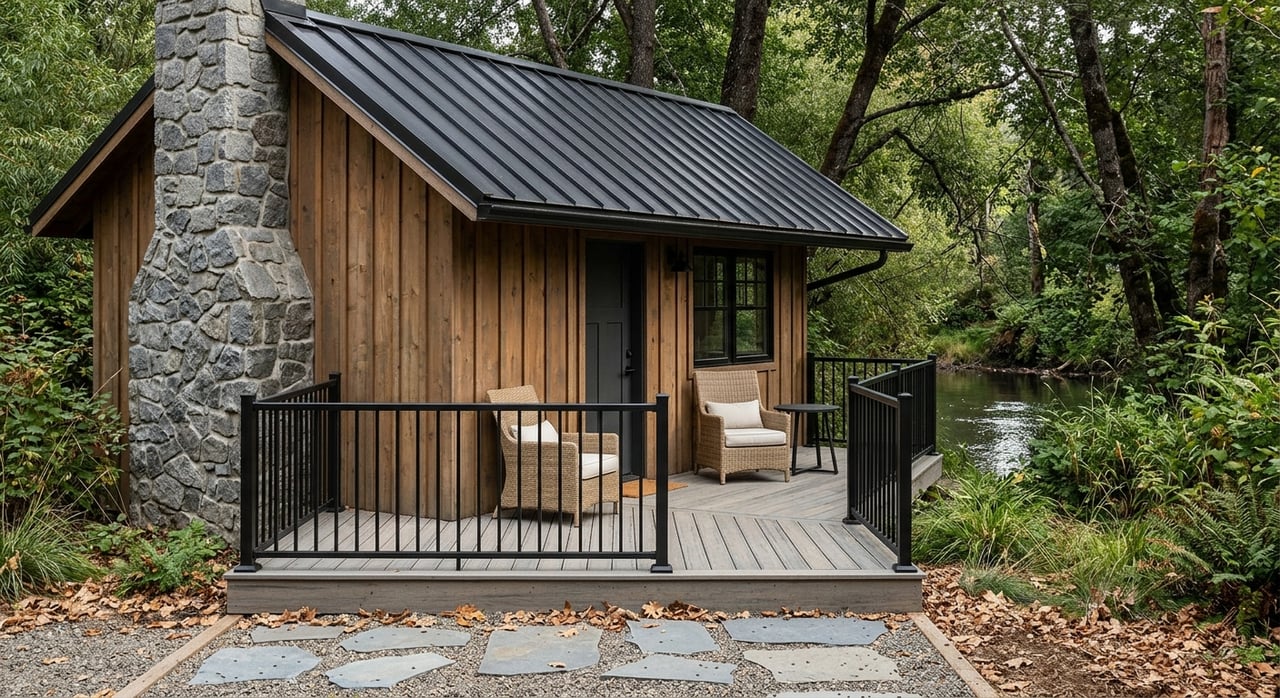
One of the most appealing parts of the Shenandoah area is the variety. Page Valley tourism materials describe more than 500 cabin options in the area, with styles ranging from rustic to modern. That broader local mix gives you a good sense of the kinds of second-home properties buyers may encounter.
In practical terms, you may see:
- Rustic cabins with a simple, cozy feel
- Compact second homes designed for weekend use
- Lodge-style properties with more gathering space
- Newer retreat homes with updated finishes
- River-oriented homes and cottages
That range matters because there is no single “Shenandoah cabin” model. Some properties lean heavily into the getaway atmosphere, while others feel more like year-round homes in a scenic location.
River Access Means More Than Distance to Water
River access is a major reason buyers explore Shenandoah, but it is important to understand what that really means. Being near the Shenandoah River does not always mean private shoreline use. According to the Virginia Department of Wildlife Resources, the riverbanks are largely private property except at public access points.
For the South Fork Shenandoah River, Virginia DWR identifies 20 public access points along its length. In Page County specifically, the county lists nine boat landings. The Town of Shenandoah’s Landing & River Park at 315 Morrison Road includes a boat launch, dock, paved trail, picnic areas, grills, and restrooms.
For a buyer, the takeaway is simple: verify the type of access a property actually offers. A home may be close to the river, have seasonal views, or sit within a short drive of a launch, but that is not the same as deeded private access. If river time is central to your plans, this is one detail worth checking carefully.
National Park Access Is a Big Draw
Shenandoah National Park is another major reason people buy in this area. The park stretches 105 miles from Front Royal to near Waynesboro, and Skyline Drive is its main road. For buyers focused on Page County and Shenandoah, the Thornton Gap entrance east of Luray is the most relevant nearby entrance noted by the National Park Service.
This makes the area especially attractive if you picture weekends filled with scenic drives, trail access, and mountain views. A second home here can work well for buyers who want a basecamp for recreation as much as a place to relax indoors.
Still, access is not always as simple as looking at a map. The park is always open, but Skyline Drive can close during inclement weather, and many facilities operate on seasonal schedules. That can shape how often and when you use the property, especially in colder months.
Seasonal Use Requires a Practical Mindset
A Shenandoah second home may feel peaceful and low-stress, but seasonal use still calls for planning. Weather can affect travel patterns and park access, especially if you are counting on regular weekend trips. A home that seems easy to reach in summer may feel different in winter.
It is also smart to think beyond the scenery. The National Park Service notes that cell coverage is not reliable throughout most of Shenandoah National Park. Page County is also working on broadband expansion, but buyers should still evaluate internet and phone service at the exact property rather than assume it will perform like an in-town house.
Site-Specific Details Matter in Rural Areas
When you buy a second home in a more rural part of Page County, the property itself is only part of the picture. Access, boundaries, and improvement rules can be just as important. County zoning information notes that new homes, additions, porches, decks, barns, towers, signs, and pools require zoning permits, and an approved VDOT entrance permit may also be required when applicable.
This matters if you hope to personalize the property over time. Maybe you want to add a deck, improve an entrance, or make future upgrades after closing. County GIS tools, road atlases, and tax maps can be especially useful in rural settings where lot lines, private lanes, and road ownership are less obvious than they would be in a subdivision.
Floodplain Review Should Be a Standard Step
If you are shopping for a cabin or cottage near the river, floodplain review should be part of your normal process. Page County’s floodplain ordinance is designed to reduce flood hazards and applies to special flood hazard areas identified by FEMA or the county. The county also includes a Floodplain Development Permit Application in its zoning materials.
In everyday terms, that means flood-zone questions are not minor details for river-edge properties. Before you fall in love with the view alone, make sure you understand how the site is classified and what that may mean for future use or improvements.
Wells and Septic Need Careful Review
Many second-home buyers are used to public water and sewer, but rural properties often work differently. The Virginia Department of Health says private well owners are responsible for operation and maintenance, and newly constructed wells in Virginia must be tested for coliform organisms. VDH also notes that some onsite sewage systems on hilly or sloped sites need a pump.
For you as a buyer, this means due diligence should include more than a standard showing and a quick drive-by. Water testing, septic inspection, and maintenance history can tell you a lot about how the property has been cared for. Keeping septic service records is also recommended, which can be helpful when reviewing a home’s overall condition.
A Smart Checklist for Buyers
If you are considering a cabin, river-access property, or second home in Shenandoah, these are some of the most important items to confirm:
- Exact type of river access, if any
- Distance to public boat landings or river parks
- Route to the nearest park entrance, including Thornton Gap for many Page County buyers
- Winter access and how roads perform in bad weather
- Cell service and internet reliability at the address
- Floodplain status for river-adjacent sites
- Well and septic details, including inspection and maintenance records
- Property boundaries, road access, and driveway questions
- Permit requirements for future improvements
This kind of list can save you time and stress. It also helps you compare properties fairly, especially when several homes offer similar views or getaway appeal.
Why Guidance Matters With Lifestyle Properties
Buying a second home in Shenandoah is exciting, but it can also involve more moving parts than a typical in-town purchase. Lifestyle properties often require close attention to details that are easy to miss at first glance. What feels charming on a quick visit may need deeper review when it comes to access, systems, permits, and long-term use.
That is where patient, detail-oriented guidance can make a real difference. When you have someone helping you ask the right questions, coordinate inspections, and think through how you will actually use the property, the process becomes much more manageable.
If you are exploring cabins, river-access homes, or second-home opportunities in Shenandoah and the wider Valley, Katie Krivosheyev can help you navigate the process with care, clarity, and local insight.
FAQs
What makes Shenandoah, Virginia appealing for a second home?
- Shenandoah appeals to many second-home buyers because of its scenic setting in Page County, access to the Shenandoah River and Shenandoah National Park, and convenient drive from the Washington, D.C. metro area.
What does river access mean for homes in Shenandoah?
- In Shenandoah, river access often means using public access points or boat landings rather than private shoreline, since much of the riverbank is privately owned except at public access locations.
What park entrance is most relevant near Shenandoah in Page County?
- For many buyers focused on Shenandoah and Page County, Thornton Gap east of Luray is the most relevant nearby entrance to Shenandoah National Park.
What should buyers check before purchasing a cabin in Shenandoah?
- Buyers should check river access, floodplain status, winter access, cell and internet service, well and septic condition, property boundaries, road access, and any permit requirements for planned improvements.
Are cabins in Shenandoah all the same style?
- No, the local market includes a mix of rustic cabins, compact second homes, lodge-style properties, and newer retreat homes, so it helps to evaluate each property based on its layout, systems, and setting.
Why are wells and septic systems important for Shenandoah second homes?
- Many rural properties rely on private wells and onsite sewage systems, so testing, inspections, and maintenance records are important parts of understanding how the property functions and what upkeep it may need.