Wondering what day-to-day life in Harrisonburg actually feels like? If you are thinking about moving, buying, or selling here, it helps to look past the map and understand how the city lives from one neighborhood to the next. From historic homes and downtown rentals to parks, short commutes, and a busy local food scene, Harrisonburg offers a mix that feels both practical and vibrant. Let’s dive in.
What Life in Harrisonburg Feels Like
Harrisonburg is an independent city in the central Shenandoah Valley and the county seat of Rockingham County. It sits along I-81 and is about two hours from both Richmond and Washington, D.C., which gives you access to regional travel while still living in a smaller city setting.
The city has a population of 51,164, with 17,360 households and 18,726 housing units. Daily life here tends to feel more connected and compact than in many spread-out suburban areas, partly because the city’s planning vision emphasizes walkability, mixed-use development, and neighborhood-centered living.
That planning approach matters in real life. It supports a city where housing, shopping, dining, parks, and everyday errands can overlap more naturally, instead of requiring a long drive for everything.
Harrisonburg Housing at a Glance
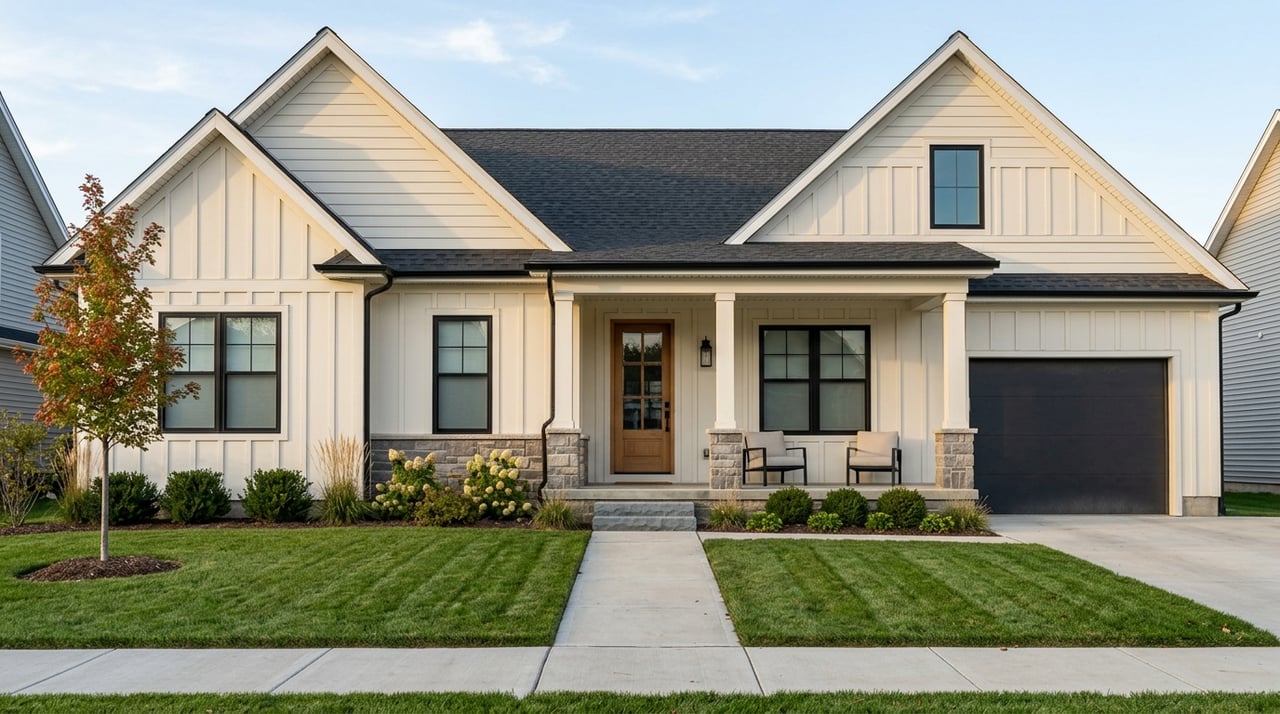
If you are trying to picture the local housing market, Harrisonburg has a broad mix rather than one dominant style. City planning data shows the housing stock includes 37.7% single-family detached homes, 23.9% duplexes and townhomes, 37.5% multi-family housing, and 0.9% mobile homes or other types.
That variety gives buyers and sellers a lot to work with. You can find older detached homes, attached housing, apartment-style living, and neighborhoods with very different rhythms depending on where you look.
Census data also shows Harrisonburg is more renter-heavy than owner-heavy, with a 39.5% owner-occupied rate and a 60.5% renter share. The median owner-occupied home value is $299,100, and median gross rent is $1,184.
Downtown Harrisonburg and Old Town
Downtown Living
Downtown Harrisonburg is the city’s most urban and walkable core. It is a 40-block district known for locally owned shops, museums, international cuisine, patio dining, and a strong arts and food presence.
Downtown also stays active beyond the workday. The area includes a Virginia Arts & Cultural District, Virginia’s first Culinary District, four breweries, and one cider brewery within walking distance, which helps create a lively local rhythm.
From a housing standpoint, downtown stands apart from many other parts of the city. According to the city’s planning documents, housing in downtown is almost exclusively rental, which is important to know if you want a more urban lifestyle or if you are comparing ownership opportunities in nearby areas.
Old Town Homes
Just next to downtown, Old Town offers a different feel. It is a historic, medium-density, predominantly residential neighborhood that is mostly single-family detached and still predominantly owner-occupied.
One of Old Town’s defining features is its architectural variety. The neighborhood includes styles such as Queen Anne, Colonial Revival, Tudor Revival, Craftsman, Bungalow, American Four Square, Italianate, Modern Movement, and Modified Ranch homes.
If you enjoy older homes and streetscapes with more visual character, Old Town may stand out. It offers a historic setting close to downtown amenities without the same housing pattern as the downtown core.
Established Neighborhoods Across the City
Harrisonburg is not just a collection of subdivisions or isolated pockets of housing. Several neighborhoods have active planning, traffic, and safety conversations that shape how people experience daily life.
The Northeast Neighborhood is one of the city’s most significant planning areas. Harrisonburg created its first neighborhood Small Area Plan there, focused on future land use, transportation, urban design, services, capital investment, and zoning changes.
That long-range work reflects something important about the city. In Harrisonburg, neighborhood identity and neighborhood connections matter, especially in areas tied closely to downtown and long-term community planning.
The city’s Neighborhood Traffic Calming Program also points to real neighborhood-level attention in places like Sunset Heights, Northeast Neighborhood, and Portland East. For you as a buyer or seller, that means everyday livability is not just about the house itself. Street design, traffic flow, and neighborhood access can also shape how an area feels.
Where Growth Tends to Happen
If you are exploring newer or denser housing options, it helps to know where the city expects more compact growth. Harrisonburg’s land-use plan treats the entire incorporated city as an Urban Development Area, but it highlights a few focus areas in particular.
These include downtown, the Port Republic Road and Neff Avenue corridor, and another area bounded by Linda Lane, Smithland Road, I-81, and Country Club Road. In simple terms, these are some of the places where higher-intensity housing and mixed-use patterns are more likely to cluster.
That can be useful if you are comparing lifestyle priorities. Some buyers want older neighborhoods with established homes, while others prefer areas where apartment, townhouse, and mixed-use development are more common.
Home Age and Maintenance Considerations
Harrisonburg’s housing stock is mixed in age as well as type. City housing analysis found that 13% of owner-occupied units and 12% of renter-occupied units were built before 1950.
The same analysis showed that 50% of owner-occupied units and 38% of renter-occupied units were built before 1980. That does not mean older homes are a drawback, but it does mean maintenance and updates can be part of the conversation, especially in more established neighborhoods.
For buyers, this is where good guidance matters. If you are comparing home style, location, and condition, it helps to understand not just what looks appealing today, but what may need attention over time.
Campus Influence on Housing
James Madison University and Eastern Mennonite University are part of Harrisonburg’s housing story. The city notes that student housing demand has long influenced the off-campus rental market.
You can see that influence most clearly near downtown and campus-linked corridors, where apartments, duplexes, and student-oriented rentals are more common. That does not define the whole city, but it is a key part of understanding local housing patterns.
If you are relocating to Harrisonburg, this is one of those details that can help narrow your search. Two areas that look similar on a map may feel very different in daily life depending on housing mix, parking, and rental concentration.
Getting Around in Harrisonburg
One of Harrisonburg’s practical strengths is that getting around is often fairly manageable. Census QuickFacts reports a mean commute time of 17.1 minutes, which is short compared with many larger metro areas.
The city also has a meaningful transit system for its size. Harrisonburg Department of Public Transportation lists six city routes, plus JMU-oriented routes, an Inner Campus Shuttle, a Shopper route, paratransit service, and real-time tracking.
That makes public transit more relevant here than many people expect, especially in downtown, campus, and apartment-dense areas. If you prefer alternatives to driving for every trip, Harrisonburg offers more options than many small cities.
Biking and Parking
Biking is another part of local life. The city’s Community Bike Map helps riders choose routes using city streets and separated paths, with streets classified by cycling comfort.
Parking is also something to think about in older and more compact parts of town. The city notes that many residential areas use permit parking zones, and traffic calming work in established neighborhoods shows that street management is an ongoing part of everyday city living.
If you are considering downtown or nearby historic neighborhoods, these details can affect your routine just as much as square footage or home style. That is why location decisions in Harrisonburg often come down to lifestyle as much as price point.
Parks, Food, and Local Highlights
Harrisonburg offers a strong mix of parks and public gathering spaces. The city maintains 12 main parks plus other properties, with trails, shelters, athletic fields, playgrounds, and basketball courts.
Ralph Sampson Park is one example, with 31 acres that include a walking trail, courts, fields, futsal, and a sprayground. Hillandale Park also adds to the city’s recreation options with volleyball and basketball courts.
Downtown remains the main hub for dining, arts, and local activity. In addition to restaurants and shops, the area is known for museums, patio dining, and a compact walkable layout that supports everyday outings as well as special events.
Recurring events help keep the city active year-round. First Fridays at City Hall features rotating art exhibits and public programming, while the Harrisonburg Farmers’ Market runs on Tuesdays and Saturdays from April to Thanksgiving, plus Saturdays during the winter season.
Why Harrisonburg Appeals to So Many Buyers
A big part of Harrisonburg’s appeal is that it does not offer just one way to live. You can find historic residential streets, rental-heavy areas near downtown, parks woven into daily routines, and neighborhoods where walkability and traffic planning are part of the conversation.
The city is also notably diverse. Census QuickFacts show 24.6% of residents identify as Hispanic or Latino, 17.8% are foreign-born, and 28.4% of residents age 5 and older speak a language other than English at home.
For many buyers, that mix contributes to a city atmosphere that feels layered, active, and connected. If you are relocating, moving up, or buying your first home, Harrisonburg gives you several neighborhood experiences within a relatively short drive, bike ride, or bus trip.
Choosing the Right Fit in Harrisonburg
The best neighborhood for you depends on how you want your days to feel. You may want historic character near Old Town, walkable access and rentals near downtown, or housing in areas where newer or denser development is more common.
This is where local guidance can make the process easier. When you understand how home style, housing type, traffic, parking, commute patterns, and neighborhood layout work together, you can make a decision that fits your life and not just your search filters.
If you are thinking about buying or selling in Harrisonburg or anywhere nearby in the Shenandoah Valley, Katie Krivosheyev offers thoughtful, hands-on guidance to help you move forward with clarity and confidence.
FAQs
What is everyday life like in Harrisonburg, VA?
- Everyday life in Harrisonburg tends to feel compact, neighborhood-oriented, and active, with short commutes, a walkable downtown, parks, transit options, and a mix of housing types.
What kinds of homes are common in Harrisonburg, VA?
- Harrisonburg has a varied housing mix that includes single-family homes, duplexes, townhomes, and multi-family properties, with both historic neighborhoods and more rental-focused areas.
What is downtown Harrisonburg, VA like for residents?
- Downtown Harrisonburg is a 40-block urban core known for rentals, local shops, museums, dining, arts, and walkable access to restaurants, breweries, and events.
What is Old Town in Harrisonburg, VA known for?
- Old Town is known for being a historic, predominantly residential neighborhood with mostly single-family detached homes and a wide range of architectural styles.
Is Harrisonburg, VA easy to get around?
- Harrisonburg has a mean commute time of 17.1 minutes, along with city bus routes, JMU-oriented transit, bike route planning, and parking systems that support daily travel in different parts of the city.
Are there parks and local events in Harrisonburg, VA?
- Yes. Harrisonburg has 12 main parks, plus regular community events such as First Fridays and the Harrisonburg Farmers’ Market, which help keep the city active throughout the year.